Search Abrasive Materials
-
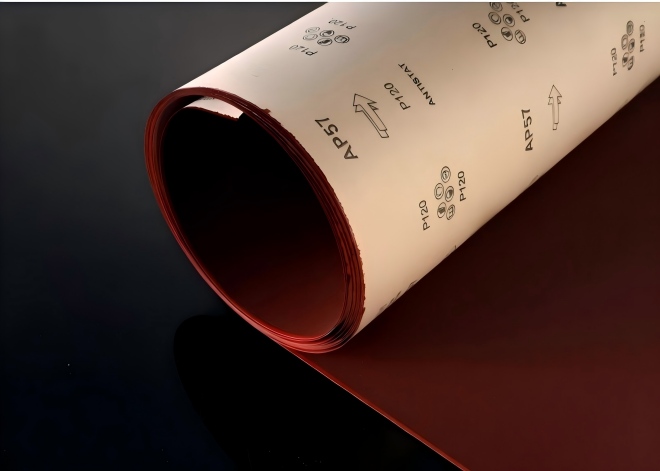 Hook and Loop Abrasive Roll vs. Foam Backed Sandpaper Roll: Key Differences for Different Sanding Applications
Sanding is rarely performed under perfectly uniform conditions. As an abrasive moves across a workpiece, the contact area can change with the surface profile, applied pressure, and movement of the ope...
More+
-
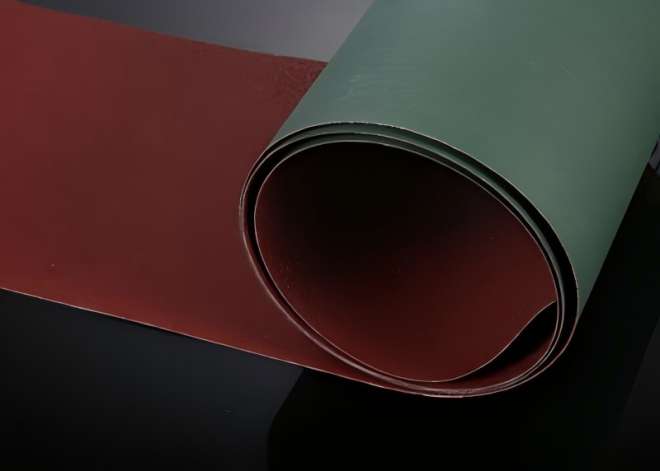 Resin Fiber Sanding Discs Under High Grinding Pressure: Cutting Performance, Wear, and Stability
Grinding pressure is often treated as a simple way to increase material removal. In practice, the relationship is more complicated. As pressure rises, the abrasive grain is asked to cut more aggressiv...
More+
-
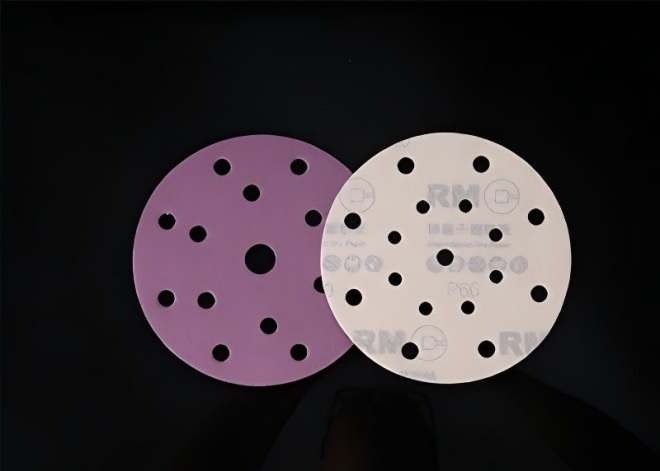 Ceramic Abrasive Grain for Coated Abrasives: Key Grain Properties That Determine Cutting Performance
When a coated abrasive starts cutting more slowly, produces more heat, or requires noticeably higher pressure to maintain the same removal rate, the grain is often part of the reason. The abrasive gra...
More+
-
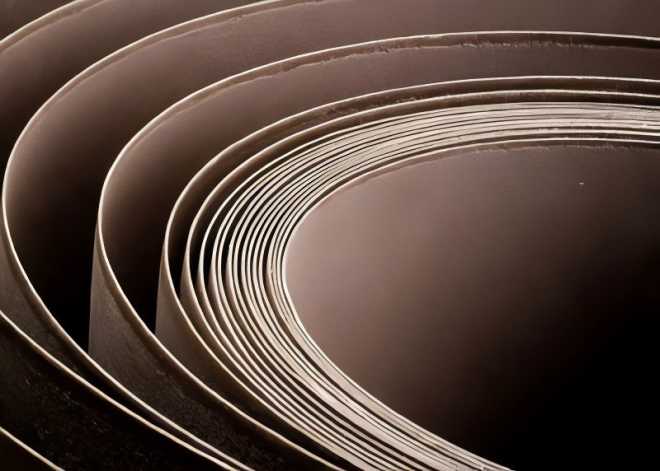 Understanding Abrasive Cloth Backing: Flexibility, Strength, and Grinding Performance
When an abrasive fails to perform as expected, the abrasive grain is often the first component to be examined. Yet the layer supporting the grain can be equally important. Backing determines how an ab...
More+
-
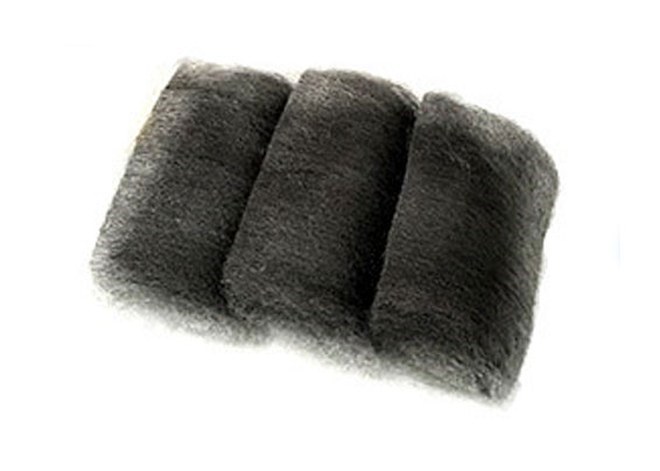 Steel Wool Grades Explained: 0 to 4 and What Each Grade Is For
Steel wool runs from grade 0000 to 4. See what each grade removes, which surfaces it suits, and how to match grade to the job before you order.
More+
-
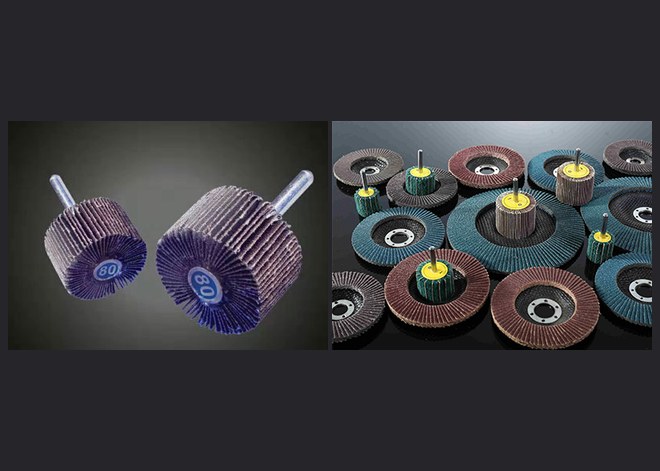 Flap Wheel vs Flap Disc: Which One for Your Grinder
Flap wheels reach inside curves and pipes; flap discs flat-work at higher speed. Compare shank, contact area, grit range and failure modes side by side.
More+
-
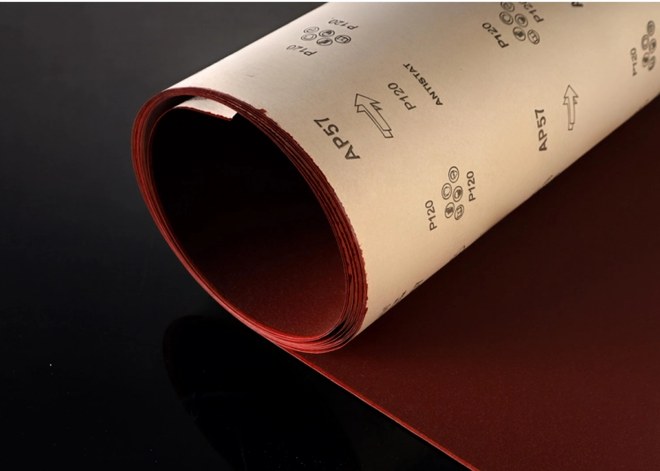 How to Choose a Sandpaper Roll: Width, Grit and Backing
Match roll width to your machine, grit to the material stage, and paper weight to the job. A decision table for PSA rolls, sheet rolls and cloth rolls.
More+
-
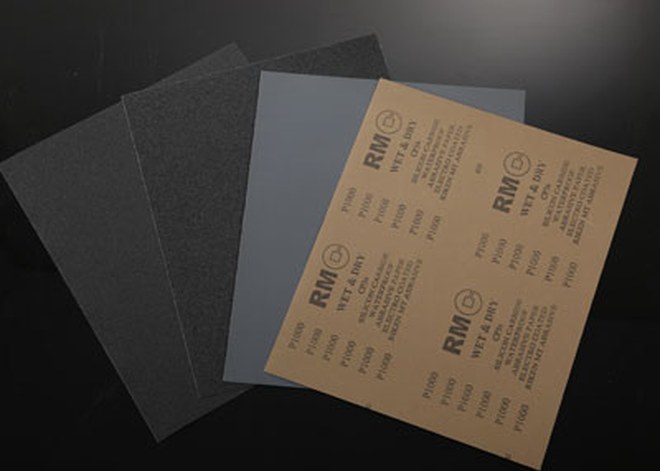 What Grit Sandpaper for Glass? Edges, Surfaces and Steps
Glass needs wet sanding with silicon carbide paper: 120 to shape, 400 to refine, 1000+ to polish-ready. See the grit ladder and how to avoid chips.
More+
-
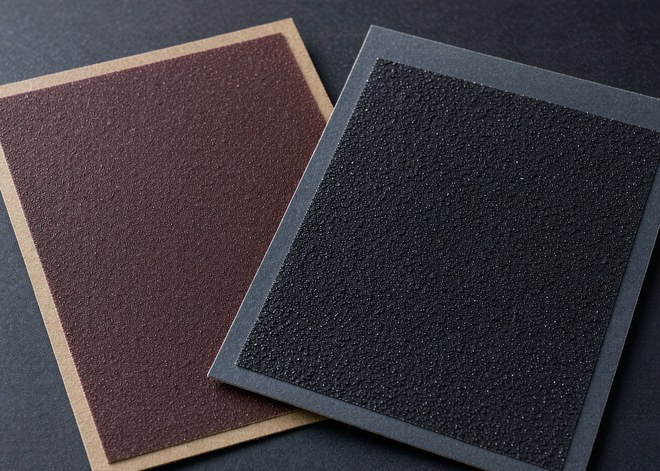 Aluminum Oxide vs Silicon Carbide Sandpaper: Which for Which Job
Aluminum oxide lasts longer on wood and metal; silicon carbide cuts glass, paint and stone wet. See which grit material fits your surface and method.
More+
-
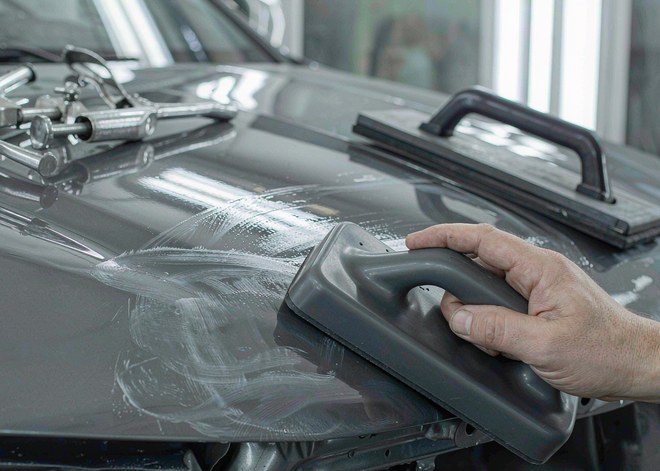 Wet Sanding Car Paint: Grit Sequence from Primer to Clear Coat
A working grit ladder for automotive wet sanding: 400-600 on primer, 800-1500 on clear, 2000+ before compounding, with water-feeding tips per stage.
More+
-
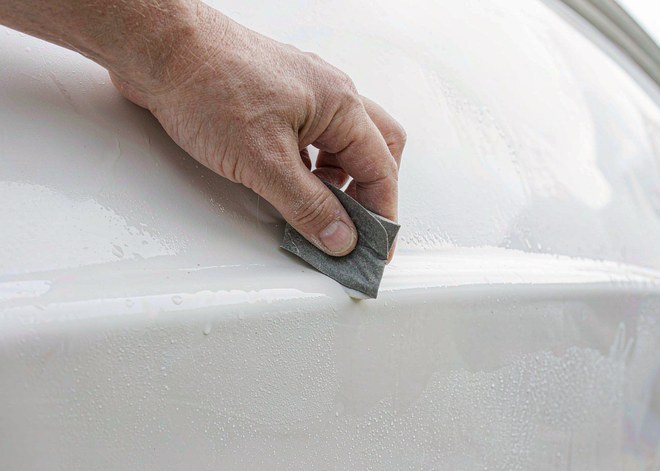 Wet Sanding Gelcoat: Grit Sequence and When to Stop
Gelcoat is softer than clear coat, so the grit ladder starts finer: 600 to 1500 wet, stopping as soon as the surface glosses. Steps and stop points inside.
More+
-
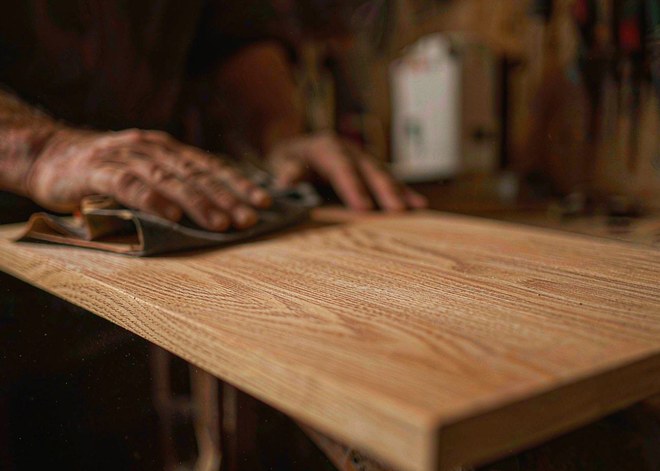 Sanding Wood Before Oil: Grit Sequence for an Even Finish
Oil shows every scratch: progress 80-120-180 on hardwood, stop at 180 on softwood, and re-cut between coats. Full ladder and traps inside.
More+
-
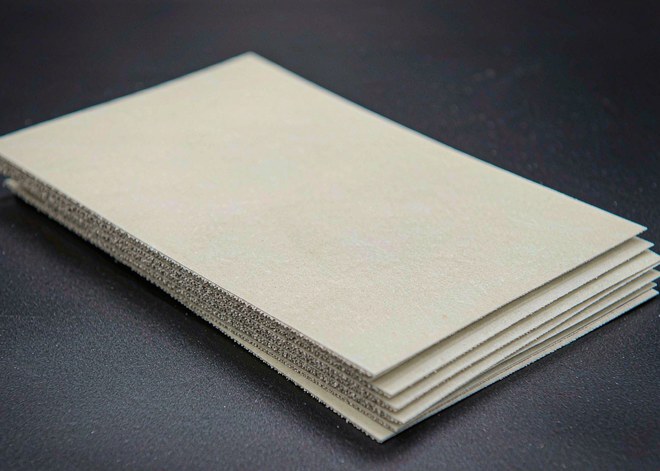 What Is Stearated Sandpaper and When Does It Pay Off
A zinc-stearate layer keeps paint and primer from clogging the grit. See which coatings it suits, when it is wasted money, and how to store it.
More+
-
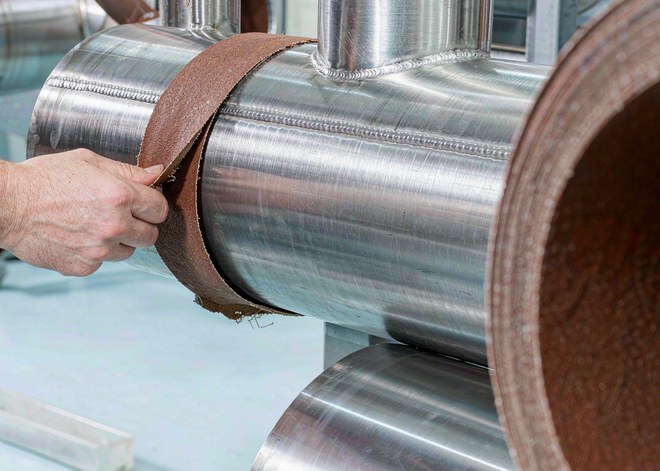 How to Choose an Emery Cloth Roll: Backing, Width, Grit
Cloth rolls survive pipe and curve work where paper tears. Match Jwt or Xwt backing, roll width and grit to tube, weld and deburring work.
More+



 English
 中文
 한국어
 français
 Deutsch
 Español
 italiano
 русский
 português
 العربية
 tiếng việt
 Polska