


Two grinding operations can use the same machine, the same metal grade, and similar working conditions, yet produce completely different results. The difference often comes from the abrasive tool itself. A grinding disc that maintains stable cutting behavior can remove material smoothly, while a poorly matched disc may create excessive heat, uneven wear, or repeated finishing adjustments.
The reason lies beneath the surface of the abrasive. Fiberglass grinding discs rely on a carefully engineered combination of abrasive grains, reinforcement layers, and bonding systems to manage the demands of continuous grinding. Each component affects how the disc responds when exposed to pressure, friction, and the changing conditions of real production environments.
A reliable fiber disc is designed to achieve more than fast material removal. It must maintain a balance between cutting efficiency, surface control, and service life throughout the grinding process. This balance determines whether operators can achieve consistent results when working with weld joints, metal edges, and surface imperfections.
Zibo Sankyo Rikagaku MT focuses on abrasive solutions that address these practical challenges in industrial grinding applications. By understanding how disc structure and abrasive performance influence material removal, users can make more effective selections for their specific processes. Zibo Sankyo Rikagaku MT’s range of abrasive products offers solutions developed for different grinding and surface preparation requirements.
The abrasive grain is the primary cutting element of a grinding disc, directly determining how efficiently material can be removed from the workpiece. During grinding, each grain acts as a small cutting point that penetrates the surface, fractures material, and creates space for new cutting edges to become active.
In fiberglass grinding discs, abrasive grain selection influences cutting speed, wear behavior, and surface condition. Grains with strong cutting ability can improve productivity by removing material quickly, while properly controlled grain breakdown helps maintain consistent performance throughout the disc’s working life.
The type of material being processed also determines which abrasive characteristics are most suitable. Hard metals may require grains that maintain sharp cutting edges under higher stress, while softer materials may benefit from abrasive structures that provide smoother and more controlled removal.
A well-designed fiber disc balances grain sharpness and durability. If abrasive grains wear away too quickly, the disc loses cutting efficiency and requires more frequent replacement. However, if grains remain unchanged for too long, the grinding action may become less effective because fresh cutting edges are not exposed.
Therefore, abrasive grain engineering is essential for achieving stable material removal. The right grain structure allows grinding discs to maintain performance while reducing unnecessary surface damage and processing variations.
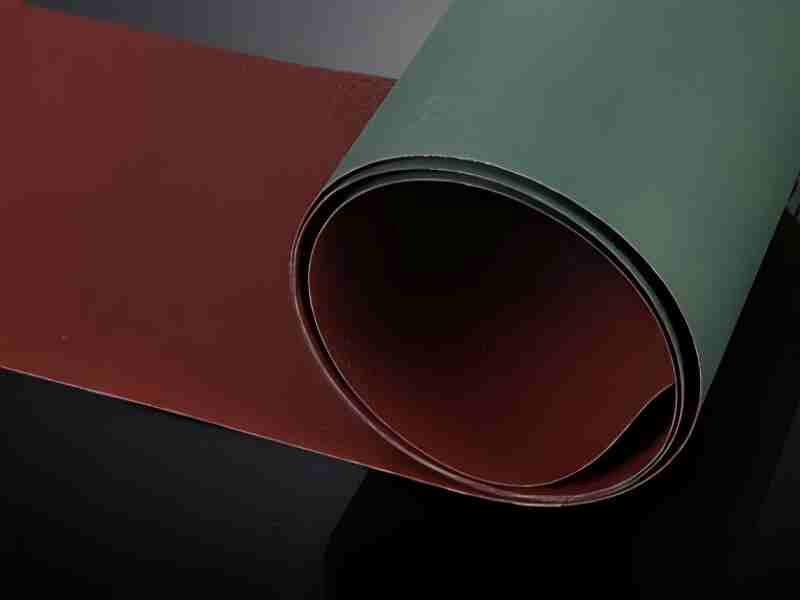
Heavy-duty grinding places significant mechanical stress on abrasive tools. High pressure, vibration, and friction can affect disc performance if the backing structure cannot provide sufficient support. This is where fiberglass reinforcement becomes a key factor in grinding stability.
The fiberglass backing in fiberglass grinding discs provides structural strength while helping the disc maintain its shape during demanding operations. This reinforcement reduces excessive deformation and allows the abrasive layer to remain in consistent contact with the workpiece.
For applications such as weld removal, edge grinding, and surface correction, stability directly influences productivity. A disc that flexes excessively may create uneven contact pressure, reducing cutting efficiency and making it more difficult to achieve uniform results.
The reinforced construction of a fiber disc also supports safer and more controlled operation. By maintaining structural integrity under workload, fiberglass backing helps users handle intensive grinding tasks with improved confidence and consistency.
At the same time, effective backing design must balance strength with adaptability. While heavy grinding requires support, the disc must also respond to different surface shapes and working conditions. This balance allows fiberglass-backed abrasives to perform effectively across a wide range of industrial applications.
The overall structure of an abrasive disc determines how efficiently cutting forces are transferred from the tool to the workpiece. Abrasive grain arrangement, backing layers, bonding systems, and disc flexibility all contribute to the final grinding performance.
A properly designed fiber disc maintains a stable relationship between abrasive exposure and wear. As grinding continues, controlled abrasive breakdown should reveal new cutting points instead of causing sudden performance loss.
| Performance Element | Main Function | Influence on Grinding | Suitable Consideration |
|---|---|---|---|
| Abrasive grain type | Provides cutting action | Determines removal efficiency and wear behavior | Match with material hardness and application requirements |
| Fiberglass reinforcement | Supports disc strength | Improves stability during heavy workloads | Important for demanding grinding environments |
| Disc construction | Controls flexibility and abrasive exposure | Affects surface consistency and operator control | Select according to workload and finishing needs |
| Bonding technology | Holds abrasive grains in place | Influences service life and cutting stability | Balance grain retention and controlled wear |
The structure of fiberglass grinding discs determines how they behave throughout the grinding cycle. A balanced design helps prevent premature wear, excessive vibration, and inconsistent surface results.
Even the most advanced abrasive disc depends on proper operating conditions to perform effectively. Grinding pressure, tool speed, contact angle, and operator technique all influence how consistently material is removed.
Applying excessive pressure does not always increase grinding efficiency. In many cases, too much force can reduce abrasive cutting ability by preventing grains from engaging properly with the surface. It can also increase heat generation and accelerate disc wear.
On the other hand, insufficient pressure may limit the cutting action because abrasive grains cannot effectively penetrate the material. For a fiber disc, maintaining balanced pressure allows the abrasive surface to work efficiently while supporting longer service life.
Environmental factors can also influence grinding results. Heat buildup, surface contamination, and improper storage conditions may affect abrasive performance. Matching the disc specification with the actual working environment helps improve process stability.
Metal materials respond differently during grinding because hardness, thermal characteristics, and surface conditions affect abrasive interaction. Choosing a suitable fiber disc requires understanding how the abrasive system performs on specific metals.
Carbon steel grinding often requires efficient material removal for fabrication, repair, and preparation processes. Abrasive discs used in these applications need strong cutting performance to remove excess material while maintaining control over surface quality.
Stainless steel presents different challenges because surface appearance and heat control are often important considerations. A suitable abrasive solution should provide effective grinding while reducing the risk of unwanted surface effects.
Aluminum and other softer metals require careful abrasive selection because they may generate loading issues during grinding. Proper grain selection and disc design help maintain cleaner cutting action and reduce interruptions.
Fiberglass grinding discs are widely applied in metalworking because their reinforced structure supports stable performance under various grinding conditions. However, achieving the best results still depends on matching the disc characteristics with the specific material and application.
The service life of fiberglass grinding discs depends on how effectively the abrasive system manages wear during operation. Controlled wear is essential because it allows new abrasive edges to appear and maintains cutting performance over time.
Several factors influence durability, including abrasive grain quality, fiberglass reinforcement, bonding strength, grinding pressure, and workpiece characteristics. A disc that wears too quickly increases replacement frequency, while one that loses cutting ability prematurely reduces productivity.
A well-engineered fiber disc achieves a balance between aggressive cutting and controlled wear. The fiberglass backing provides structural support, while the abrasive layer continues delivering effective material removal throughout the grinding process.
For companies evaluating abrasive solutions for specific production requirements, professional guidance can help improve product selection. Zibo Sankyo Rikagaku MT supports users in understanding abrasive performance based on practical application needs. When additional assistance is required regarding grinding applications, product suitability, or abrasive selection, users can get in touch with Zibo Sankyo Rikagaku MT’s team to discuss suitable solutions.
The ability of a grinding disc to achieve stable material removal depends on the interaction between abrasive grains, fiberglass reinforcement, disc structure, and operating conditions. Each component plays a role in determining cutting efficiency, surface quality, and service life.
Fiberglass grinding discs provide reliable performance by combining strong abrasive cutting action with reinforced structural support. By selecting the appropriate fiber disc according to material type, workload, and finishing requirements, users can improve grinding consistency and reduce unnecessary processing challenges.
A deeper understanding of abrasive design principles allows manufacturers and professional operators to optimize grinding processes and achieve more predictable results across different industrial applications.
Fiberglass grinding discs are mainly used for metal grinding, weld removal, surface preparation, edge correction, and other industrial grinding applications.
Fiberglass backing provides reinforcement and stability, helping the disc maintain its structure during high-pressure grinding operations.
Abrasive grain determines cutting efficiency, wear behavior, and the quality of the final surface after grinding.
Yes. Different fiber discs can be selected for metals such as carbon steel, stainless steel, and aluminum according to specific grinding requirements.
Disc lifespan depends on abrasive quality, backing strength, bonding technology, grinding pressure, operating conditions, and material compatibility.
Consistent results can be achieved by selecting the correct disc specification, maintaining suitable grinding pressure, and matching the abrasive with the workpiece material.

 English
 中文
 한국어
 français
 Deutsch
 Español
 italiano
 русский
 português
 العربية
 tiếng việt
 Polska