

Before a surface is painted, coated, repaired, or finished, proper preparation is often the step that determines the quality of the final result. Rough wood fibers, rusted metal surfaces, old paint layers, and machining marks can all affect coating adhesion and surface appearance if they are not removed effectively.
For these early preparation stages, coarse grain sandpaper is one of the most commonly selected abrasive materials. Compared with finer sanding products, it uses larger abrasive grains to achieve faster cutting performance, making it suitable for removing unwanted material, correcting surface defects, and creating a suitable base for subsequent sanding processes.
From furniture manufacturing and woodworking to metal fabrication and industrial maintenance, coarse grain sandpaper helps operators complete demanding surface preparation tasks more efficiently. When a stronger cutting action is required, extra coarse sandpaper is often chosen for applications involving heavy rust, thick coatings, or significant surface correction.
As an abrasive manufacturer, RIKEN Abrasives develops abrasive paper solutions for different processing conditions, including woodworking, metal preparation, automotive refinishing, and industrial applications. By combining suitable abrasive grains, backing materials, and coating technologies, RIKEN helps users achieve stable sanding performance across various materials.
Coarse grain sandpaper refers to abrasive paper manufactured with larger abrasive particles designed for aggressive material removal. Its main purpose is not to create a final polished surface, but to quickly remove surface imperfections and prepare materials for the next stage of processing.
In practical applications, coarse abrasives are usually used at the beginning of a sanding process. For example, a wooden board with saw marks may require coarse sanding before finer abrasives can create a smoother finish. Similarly, a metal component covered with rust or old paint may need an aggressive abrasive before a new protective coating can be applied.
The choice between coarse grain sandpaper and extra coarse sandpaper depends on the condition of the surface and the amount of material that needs to be removed. Extra coarse options are generally selected for more demanding jobs where speed and cutting power are the main priorities.
| Sandpaper Type | Main Function | Typical Applications | Surface Characteristics After Sanding |
|---|---|---|---|
| Extra Coarse Sandpaper | Heavy material removal | Removing thick coatings, heavy rust, damaged surfaces | Fast cutting with deeper sanding marks |
| Coarse Grain Sandpaper | Initial surface preparation | Wood shaping, paint removal, metal preparation | Rough but evenly prepared surface |
| Medium Grit Sandpaper | Intermediate sanding | Reducing scratches and improving surface consistency | Smoother surface before finishing |
| Fine Grit Sandpaper | Final surface refinement | Finishing, polishing, coating preparation | Smooth surface suitable for final treatment |
In woodworking, the first sanding stage is focused on removing surface irregularities rather than achieving a perfect finish. Newly processed wood often contains saw marks, uneven areas, rough edges, and raised fibers that need to be corrected before staining, painting, or sealing.
Coarse grain sandpaper is commonly used for this initial preparation because it removes material efficiently while helping create a more uniform surface. It is frequently applied in furniture production, cabinet manufacturing, flooring preparation, and restoration projects.
For example, when refinishing an old wooden table, the first step is usually removing the existing varnish or damaged coating. Using a coarse abrasive allows operators to strip away unwanted layers faster before switching to finer abrasives for surface refinement.
The sanding result depends not only on grit selection but also on the abrasive structure. Woodworkers need a balance between cutting efficiency and surface control. An abrasive that removes material too aggressively may leave unnecessary scratches, increasing the time required for later finishing.
RIKEN Abrasives provides abrasive paper solutions designed for different woodworking conditions. Depending on the material hardness, sanding method, and required finish, users can select suitable abrasive specifications from RIKEN’s abrasive product solutions, including different grain structures and backing options for various applications.
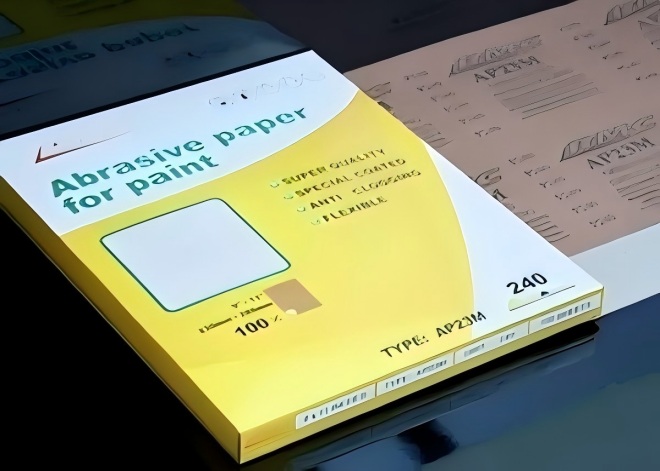
Metal surfaces often require stronger abrasive performance because rust, oxidation, welding marks, and old coatings can be difficult to remove. In fabrication workshops and maintenance environments, coarse grain sandpaper is frequently used as the first step before repair, painting, or refinishing.
Common metal preparation tasks include removing surface corrosion, cleaning welding areas, smoothing fabrication marks, and preparing components for protective coatings. The aggressive cutting ability of coarse abrasives helps reduce processing time when large amounts of surface material must be removed.
For heavily damaged surfaces, extra coarse sandpaper can provide additional cutting power. It is especially useful when operators need to remove thick paint layers, severe oxidation, or aged protective coatings from industrial equipment and metal structures.
However, abrasive selection needs to match the material condition. Using an excessively aggressive abrasive on a thin metal component may create unnecessary surface damage, while choosing a grit that is too fine can significantly increase processing time.
For professional metalworking applications, RIKEN develops abrasive paper products that focus on consistent cutting performance and durability, helping users maintain stable results during grinding and surface preparation operations.
In industrial manufacturing and maintenance, surface preparation directly affects coating performance. Paints, primers, and protective coatings require a properly prepared surface to achieve strong adhesion and long-term durability.
Coarse grain sandpaper is often used before painting and coating because it removes contaminants while creating a surface profile that allows coatings to bond more effectively. This process is common in machinery refurbishment, automotive repair, metal structure maintenance, and equipment restoration.
For industrial users, abrasive performance is not only measured by cutting ability but also by consistency during repeated operations. A reliable abrasive should maintain stable performance, reduce unnecessary replacement frequency, and support efficient production processes.
RIKEN Abrasives works with different industrial applications by developing abrasive solutions suited to various materials and processing requirements. Factors such as grain type, backing flexibility, and surface treatment technology can influence sanding efficiency and final surface quality.
Selecting the correct abrasive grit is essential because different materials respond differently during sanding. The best choice depends on surface condition, material hardness, equipment type, and the required final result.
| Surface Material | Suitable Abrasive Selection | Main Purpose |
|---|---|---|
| Soft Wood | Coarse grain sandpaper | Removing rough areas and shaping surfaces |
| Hard Wood | Coarse to medium grit abrasives | Initial leveling and surface preparation |
| Steel and Iron | Coarse grain sandpaper or extra coarse sandpaper | Rust removal and coating preparation |
| Painted Surfaces | Coarse abrasive followed by finer sanding | Removing old coatings before repainting |
| Industrial Components | Application-specific abrasive selection | Surface correction and preparation before treatment |
For companies processing different materials, selecting the correct abrasive specification can improve efficiency and reduce unnecessary rework. A professional abrasive supplier can provide recommendations based on actual working conditions rather than relying only on standard grit selection.
Although coarse grain sandpaper is designed for fast material removal, incorrect usage can affect both efficiency and surface quality.
One common mistake is applying excessive pressure. Many users assume that stronger force creates faster sanding, but too much pressure can accelerate abrasive wear and create uneven sanding patterns.
Another issue is stopping the sanding process too early. Since coarse abrasives leave more visible sanding marks, surfaces that require painting or finishing usually need additional sanding with finer grit products.
Using the wrong abrasive for the material is another frequent problem. Wood, metal, coatings, and composite materials have different requirements, and selecting an unsuitable abrasive may increase processing time or damage the surface.
Dust management should also be considered. During long sanding operations, dust accumulation can reduce abrasive efficiency. Abrasive products with anti-clogging properties can help maintain more consistent performance.
Coarse grain sandpaper is an essential abrasive choice for the first stage of surface preparation across woodworking, metalworking, and industrial applications. Its ability to remove material quickly makes it suitable for correcting surface defects, removing coatings, eliminating rust, and preparing materials for further treatment.
When heavy-duty removal is required, extra coarse sandpaper provides stronger cutting performance for challenging surfaces. However, achieving the best result depends on selecting the right abrasive type according to the material, working environment, and finishing requirements.
With experience in abrasive manufacturing, RIKEN Abrasives provides abrasive paper solutions designed for professional sanding applications. For projects involving specific materials, customized abrasive requirements, or bulk purchasing needs, customers can get in touch with RIKEN’s abrasive specialists for technical support and product recommendations.
Coarse grain sandpaper is mainly used for initial surface preparation, including removing coatings, smoothing rough materials, removing rust, and shaping surfaces before finishing.
Extra coarse sandpaper provides stronger cutting performance for heavy material removal, while coarse grain sandpaper is commonly used for general preparation and surface correction.
Yes. Coarse grain sandpaper is widely used for metal grinding, rust removal, weld preparation, and coating preparation before painting.
Yes. It is commonly used for removing rough areas, shaping wood, and preparing surfaces before applying finer abrasives.
It removes old coatings and creates surface texture that improves the adhesion of paint and protective coatings.
The choice depends on the material, surface condition, sanding equipment, and required finish. Professional abrasive suppliers can recommend suitable options based on the application.

 English
 中文
中文
 한국어
한국어 français
 Deutsch
 Español
 italiano
 русский
 português
 العربية
 tiếng việt
 Polska