

In metal finishing, productivity is not determined only by how quickly material can be removed. A successful finishing process must also maintain surface consistency, reduce rework, and support stable production over long operating periods. As manufacturers handle increasingly complex metal components, abrasive selection has become an important factor in improving both processing efficiency and final product quality.
A silicon carbide sandpaper roll offers a combination of sharp cutting performance, controlled abrasion, and dependable durability that makes it suitable for a wide range of metal finishing applications. From removing surface imperfections to preparing metal parts for further treatment, silicon carbide abrasives help create a more efficient finishing process while maintaining consistent results.
Compared with general-purpose abrasives, a properly selected sandpaper roll can help manufacturers achieve a better balance between grinding speed, surface quality, and operating costs. Understanding how silicon carbide abrasive technology works allows companies to choose solutions that better match their production requirements.
The efficiency of a metal finishing operation largely depends on how effectively the abrasive grains interact with the workpiece surface. A silicon carbide sandpaper roll uses sharp and hard silicon carbide grains that create a strong cutting action rather than relying mainly on surface friction.
During grinding, silicon carbide particles gradually fracture to expose new sharp edges. This characteristic helps maintain cutting performance throughout the working process and allows operators to remove material more efficiently without excessive pressure.
For applications such as weld grinding, edge refinement, surface leveling, and general metal preparation, this cutting efficiency can shorten processing time and improve production flow. A suitable sandpaper roll enables operators to achieve the required surface condition with fewer grinding passes, which helps improve overall manufacturing efficiency.
Metal finishing quality depends heavily on abrasive consistency. Uneven cutting performance may result in visible scratches, irregular surface textures, or additional polishing work after grinding. These issues can increase production costs and affect the appearance or functionality of finished components.
A high-quality silicon carbide sandpaper roll helps minimize these problems through uniform abrasive distribution and stable grain performance. When each section of the abrasive surface delivers similar cutting behavior, operators can achieve more predictable finishing results.
This consistency is especially valuable in industries where surface appearance and dimensional accuracy matter, including precision equipment manufacturing, automotive components, and metal fabrication. By selecting the right abrasive grade, a sandpaper roll can support both efficient stock removal and controlled finishing quality.
Frequent abrasive replacement can interrupt production schedules and increase operating expenses. For manufacturers running continuous finishing operations, abrasive durability directly influences workflow stability.
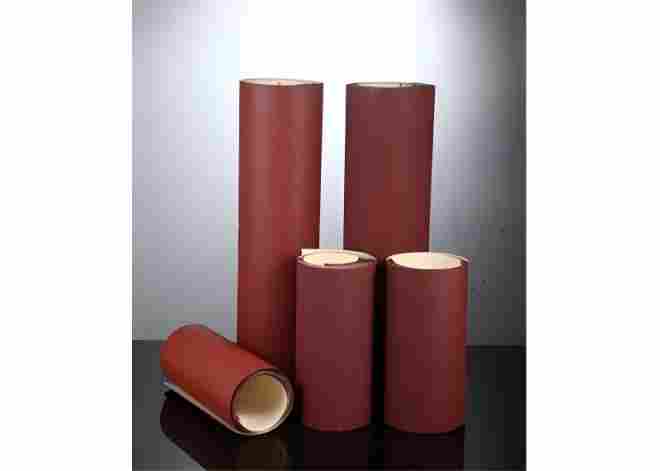
A durable silicon carbide sandpaper roll is designed to maintain effective cutting performance during extended use. The combination of strong abrasive grains and reliable bonding technology helps reduce premature wear while keeping grinding performance more consistent.
| Performance Aspect | Conventional Abrasive Options | Silicon Carbide Sandpaper Roll |
|---|---|---|
| Cutting Performance | May decline as abrasive edges wear | Sharp grain structure supports continuous cutting action |
| Surface Results | Performance may vary during use | Provides more stable finishing consistency |
| Production Efficiency | More frequent replacement may affect workflow | Longer service life helps reduce interruptions |
| Application Range | May require different abrasives for different tasks | Available in various specifications for different finishing needs |
When abrasive replacement frequency is reduced, manufacturers can maintain smoother production schedules. This makes choosing the correct sandpaper roll an important part of improving long-term manufacturing efficiency.
Different stages of metal finishing require different abrasive characteristics. Heavy grinding operations require stronger cutting ability, while surface refinement processes require greater control over the final texture.
A silicon carbide sandpaper roll can be selected with different grit sizes and backing structures to match specific processing conditions. Coarser abrasives are often used for removing oxidation, excess material, or surface imperfections, while finer abrasives are better suited for achieving smoother finishes before coating, painting, or polishing.
The flexibility of abrasive selection allows manufacturers to optimize each stage of the finishing process instead of relying on a single abrasive solution for every application. Riken MT provides a range of abrasive products designed for different industrial requirements, allowing customers to select suitable solutions based on their processing conditions through its abrasive product offerings.
Higher grinding speed does not always mean better production efficiency. Excessive cutting force can generate unwanted heat, damage sensitive surfaces, or create inconsistent finishing results. Precision metal applications require a controlled balance between removal efficiency and surface accuracy.
A properly selected silicon carbide sandpaper roll helps achieve this balance by providing efficient cutting performance while maintaining better control over the finishing process. Operators can select different abrasive grades according to whether the priority is rapid material removal or refined surface preparation.
For example, initial grinding may focus on removing imperfections quickly, while later finishing stages require a smoother and more uniform surface. Using the appropriate sandpaper roll at each stage reduces unnecessary processing steps and improves overall production consistency.
The performance of a silicon carbide sandpaper roll depends on how well its specifications match the application. Abrasive grit, backing material, and structural design all influence cutting efficiency and finishing results.
Grit selection determines the balance between aggressive material removal and surface smoothness. Backing flexibility affects how well the abrasive adapts to curved or irregular surfaces, while backing strength influences durability during demanding grinding operations.
Rather than choosing abrasives based only on cutting speed, manufacturers need to consider the complete finishing process, including material type, required surface condition, equipment used, and production volume. A suitable sandpaper roll can reduce unnecessary grinding steps while improving consistency across large production batches.
For applications requiring technical guidance or customized abrasive recommendations, Riken MT’s specialists can provide further assistance through its contact channel based on specific manufacturing needs.
A silicon carbide sandpaper roll improves metal finishing efficiency by combining sharp cutting performance, consistent abrasive action, and reliable durability. These characteristics help manufacturers remove material faster, achieve more uniform surfaces, and reduce interruptions caused by frequent abrasive replacement.
The best finishing results come from selecting an abrasive solution that matches the specific requirements of each application. By considering grit size, backing structure, metal type, and processing conditions, manufacturers can maximize the value of their sandpaper roll and create a more efficient production workflow.
A silicon carbide sandpaper roll uses sharp abrasive grains that provide efficient cutting performance and consistent material removal during metal processing.
Yes. With the appropriate grit selection, silicon carbide abrasives can effectively support stainless steel grinding and surface preparation applications.
Coarser grits remove material faster, while finer grits provide smoother surface finishes for precision applications.
Their durable abrasive structure helps maintain performance longer, reducing the need for frequent abrasive changes during manufacturing.
Material type, finishing requirements, grit size, backing structure, and processing method all influence the most suitable abrasive choice.
Silicon carbide provides high hardness, sharp cutting ability, and stable performance, making it suitable for demanding metal finishing applications.

 English
 中文
 한국어
 français
 Deutsch
 Español
 italiano
 русский
 português
 العربية
 tiếng việt
 Polska